Algarve
The map opens as you scroll to it
Portugal's south coast: golden cliffs and caves from Sagres to Albufeira, then the lagoons and sand islands of the Ria Formosa towards Spain.
JFMAMJJASOND
The region
After the long, exposed run down Portugal's west coast, rounding Cape St Vincent into the Algarve feels like arriving in the Mediterranean. The south-facing coast is sheltered from the summer northerlies, the water is warmer and the harbours come every twenty miles.
The western Algarve is all golden limestone cliffs, sea caves and arches, with Sagres, Lagos and Portimão as the main harbours and the Alvor lagoon between them. Lagos is a favourite place for cruisers to winter, and its marina is a well-known meeting point for boats heading to the Canaries or into the Mediterranean.
East of Faro the landscape changes completely: the Ria Formosa, a natural park of lagoons, channels and sand barrier islands, stretches almost to the Spanish border. Anchoring off Culatra island is one of the classic cruising stops of the coast, and the Guadiana river at the border can be followed far inland.
Winds and season
In summer the nortada still blows offshore but the coast is in the lee; afternoon sea breezes are common. Cape St Vincent and the Sagres area are often windy, with the wind accelerating round the cape. The levante, an easterly wind from the Strait of Gibraltar, can blow for days and makes the eastern harbours lively. Winter is mild, with occasional south-westerly gales. Boats live here all year.
The region in numbers
Counted from the records on Boat Almanac, November 2026. A number missing or wrong? Correct it on the place's page, and it helps the next crew planning here.
Getting there
- Faro - Gago Coutinho (FAO), Faro about 21 km from the middle of the region
- Lisbon Humberto Delgado (LIS), Lisbon about 207 km from the middle of the region
- Seville (SVQ), Seville about 208 km from the middle of the region
Straight-line distance; by road it is usually a third longer. Each marina page gives its own nearest airports.
Legs along the coast
| To | About | At 6 knots |
|---|---|---|
| Lisbon, Cascais and Setúbal | 125 NM | 3 days of about 8 h |
| Azores | 1185 NM | 25 days of about 8 h |
Middle of one region to the middle of the next, with a quarter added for the coast and the wind. Plan the real legs in the route planner.
Want company on these waters? Find a buddy boat or crew on Sail together.
Where to stop
- Sagres (Baleeira)
Harbour and anchorage just round Cape St Vincent, a welcome first stop. - Lagos
Large marina and town; a popular wintering base. - Alvor
Lagoon inside a sandbar; enter with care on a rising tide. - Portimão
River harbour with a marina, anchorage and a fishing port. - Albufeira
Marina below the town, sheltered behind breakwaters. - Vilamoura
One of the largest marinas in Portugal, with every service. - Culatra (Ria Formosa)
Anchorage off the sand island, reached through the Faro and Olhão channels. - Guadiana river
Navigable inland from Vila Real de Santo António between Portugal and Spain.
Been here? Rate a cove in a few taps and the next skipper will thank you.
Anchoring and mooring
The south coast offers anchorages in the lee of the headlands in northerly winds, but they are open to the south and to the levante. Inside the Ria Formosa you are protected from the sea, but watch the tidal stream and the depth when choosing a spot.
A one-week route
A realistic loop for a week, with short days you can stretch or cut to the weather. Check every leg on the chart and the route planner.
- Lagos, settle in and see the town.
- West to Sagres, anchor in the lee of the cape.
- Back east past the caves of Ponta da Piedade to Alvor or Portimão.
- East to Albufeira.
- Vilamoura for supplies.
- Through the Faro channel to anchor off Culatra.
- Olhão, or on to Tavira and the Guadiana.
Rules and protected areas
Clearing in: From other Schengen countries no clearance is needed, but carry your papers and register at the marina. Boats from outside Schengen clear in at a port of entry such as Portimão, Lagos or Vilamoura. See the Portugal entry guide. Step by step in Arriving by boat in Portugal.
Fuel, water, repairs and supplies
Lagos, Portimão and Vilamoura have boatyards with travel lifts, engine and electrics workshops, riggers and chandlers. Fuel is available in all the main marinas. Winter berths in Lagos and Vilamoura are popular and should be booked early. Supplies are easy in every town.
Marinas
All marinas in Portugal →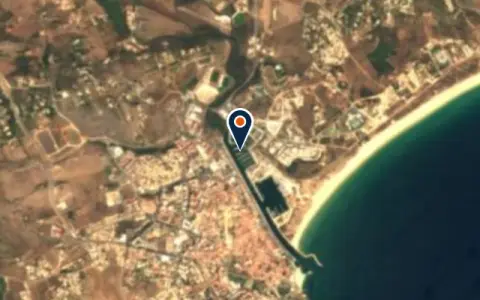 MarinaLagos MarinaLagos 462 berths Boats up to 40 m VHF 9Lagos is the most popular cruising stop on the Algarve and a classic ARC preparation port, with a…
 Lagos
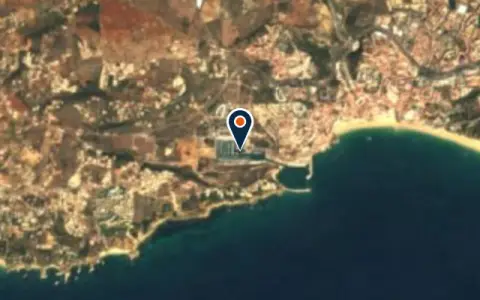 MarinaMarina de AlbufeiraLagoa 1000 berths Boats up to 6.7 m Fuel · Water · Power · Wi-Fi · Pump-out
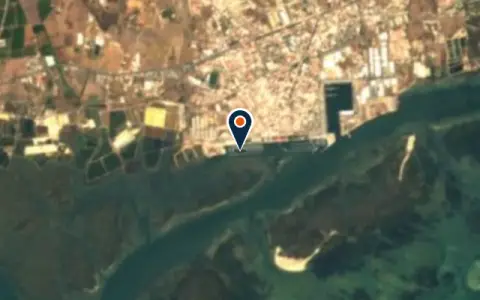 MarinaMarina de OlhãoPorto Restaurant
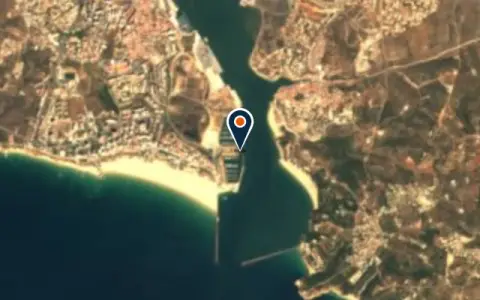 MarinaPortimão MarinaPortimão 620 berths Boats up to 50 mPortimão is the primary commercial and sailing harbour on the Algarve coast, positioned at the mouth of the…
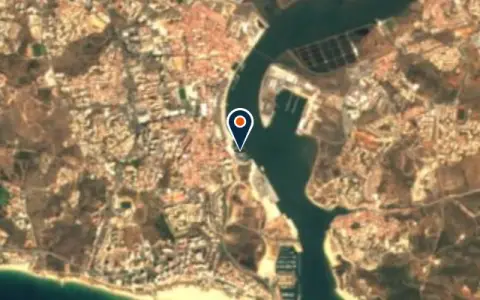 MarinaPorto de Recreio do Clube Naval de PortimãoPortimão Restaurant
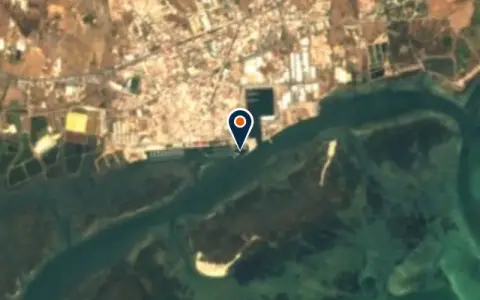 MarinaPorto de Recreio do Grupo Naval de OlhãoPorto Restaurant
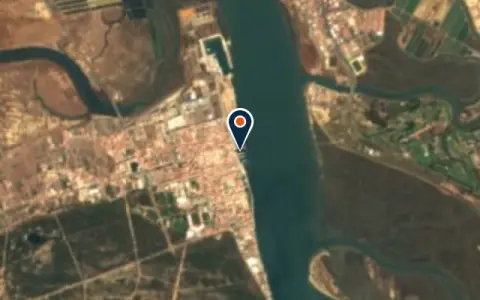 MarinaPorto de Recreio do GuadianaPorto Restaurant
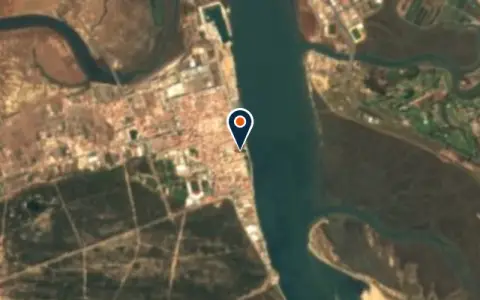 MarinaCapitania do Porto de Vila Real de Santo AntónioPorto Restaurant
 MarinaDoca das Três MariasTavira (Santa Maria e Santiago) Restaurant
 MarinaMarina de FaroPorto Restaurant MarinaMarina de VilamouraVilamoura 800 berths Boats up to 50 mVilamoura is the largest marina in Portugal and one of the largest in Europe, a purpose-built resort complex…
 MarinaMarPescaVila Real de Santo António Restaurant
 MarinaPorto de Pesca da CulatraPorto Restaurant MarinaPuerto Deportivo de AyamontePorto Restaurant
 Porto
Boatyards and haul-out
All boatyards in Portugal →Boat services
All boat services →Charter
All charter →Wind here, next 7 days
The forecast loads as you scroll.
Hour by hour, waves and sunset → · Data: MET Norway (CC BY 4.0). Always check the official marine forecast before you leave.
Questions about Algarve
Is the Algarve a good place to winter a boat?
Yes. The climate is mild, several marinas are set up for liveaboards, and Lagos in particular has a big cruising community.
How do I enter the Ria Formosa?
Through the inlets at Faro and Olhão or at Armona, on a rising tide and in good light. The streams can be strong.
Is rounding Cape St Vincent difficult?
It is often windy, with confused seas off the cape. Keep well off in strong winds and use Sagres as a stopping point.
Written by the Boat Almanac editors from charts, official notices and boaters' reports; lists are updated from the almanac every day. Something changed? Suggest a correction.