Published · Updated By Tuna Karslı, editorHow guides are checked
Winterizing in the Mediterranean is different from winterizing in northern Europe or North America. Frost is rare on most coasts, so the classic fear of a cracked engine block is less of a concern. But Mediterranean winters bring their own enemies: violent storms that sweep through marinas, heavy rain, high humidity, months of inactivity and, in some areas, sudden cold snaps. A careful lay-up prevents a slow spring of fixing things.
Afloat or ashore?
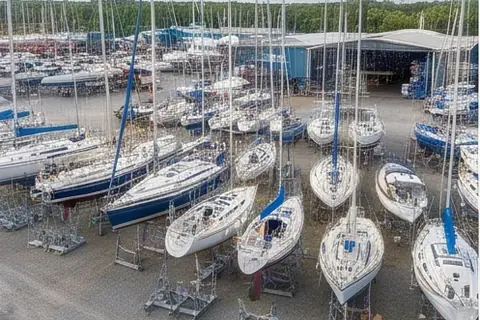
- Ashore lets the hull dry out, makes spring and maintenance easy, and keeps the boat safe from mooring failures. Storms can still blow boats over on poor stands, so the yard’s cradle and storm preparation matter.
- Afloat is often cheaper, keeps the boat accessible for weekend sailing on good days, and avoids two lifts. It requires excellent mooring lines and regular checks.
Whichever you choose, ask other sailors about how the marina or yard coped with past storms; our marina and boatyard pages carry their notes.
Engine
- Change the engine oil and filter before lay-up. Old oil contains acids that harm the engine over months.
- Change fuel filters and fill the tank to reduce condensation. Add a biocide if you have had diesel bug problems.
- Check coolant strength and condition; even in a mild climate it protects against corrosion.
- Flush the raw water circuit with fresh water. In areas where frost is possible, run antifreeze through it as well.
- Remove the raw water and store it in a labelled bag, with a note on the ignition key, or replace it in spring.
- Close the , except those needed for drains if afloat.
- Grease the throttle and gear cables, and spray exposed metal with a corrosion inhibitor.
Water and toilets
- Empty and flush the holding tank, then rinse with fresh water.
- Drain freshwater tanks, or keep them full and treated if you will use the boat in winter.
- In places where frost is possible, drain the water heater and pipes, or run non-toxic antifreeze through them.
- Clean and lubricate the toilet pump.
Electrics
- Charge batteries fully. If ashore without power, disconnect them, or remove them to a dry place and keep them topped up.
- If afloat on shore power, keep a good charger running and check that the pump has power.
- Remove electronics that are easy to take home, such as handheld units and tablets.
- Clean and spray connections with a protective product.
Sails, canvas and deck
- Remove sails, rinse them with fresh water if salty, dry them fully and store them folded loosely in a dry place. Use the winter to have them checked by a sailmaker.
- Remove or tightly lash the sprayhood, bimini and cockpit covers. Flogging canvas in a storm is a common cause of damage.
- Remove and replace them with messengers, or tie them off the mast to stop slapping and wear.
- Check the deck drains and cockpit drains are clear; leaves and debris cause flooding in heavy rain.
- Fit a winter cover if you have one. A well-ventilated cover protects the deck and keeps the interior drier.
Interior: beating damp
- Remove food, drinks, clothes and anything that can go mouldy.
- Prop up cushions and mattresses, open lockers and leave doors open so air circulates.
- Use moisture absorbers, or a dehumidifier if the boat has shore power and you can check on it.
- Leave ventilators open and make sure they cannot let rain in.
- Clean the fridge and leave it propped open.
Mooring lines and fenders, if afloat
- Double your mooring lines with good, heavy lines and chafe protection where they pass through fairleads.
- Add mooring compensators or snubbers to reduce shock loads.
- Check the and the condition of the shackle on it, or ask the marina to.
- Arrange a regular check by the marina or a boat-watching service, especially after storms.
Common questions
Should I leave the boat on shore power over winter?
Afloat, a well-maintained shore power connection keeps batteries charged and the bilge pump working. Ashore, it is often better to disconnect and use a solar trickle charger or remove the batteries.
How often should someone check the boat?
After every storm, and at least every two weeks otherwise. A boat-watching service or a friendly neighbour on the pontoon is worth arranging.
Field notes
Write down everything you did and everything you removed, and put the list on the chart table: in spring, it becomes your recommissioning checklist. Photograph the engine bay and the battery wiring before you disconnect anything. If you are leaving the boat for months, ask the yard or a local business for a winterizing and boat-watching quote; it costs less than repairing storm damage.
Short version: Winterise a diesel engine.
Read next
 The 5 Stages of Winter Lay-Up Denial: Why We All Pretend We’re Going to “Work on the Boat Every Weekend”Let’s talk about the biggest, most widely accepted collective delusion in the entire maritime world: The…
 Wintering a yacht in Turkey: marinas, haul-out, costs, paperworkTurkey has become one of the most popular places in the Mediterranean to lay up a…
 Living Aboard in Winter: Heating, Condensation and Staying SaneMany cruisers spend the winter living aboard in a marina, waiting for the next season. With…
Reader ratings
No ratings yet. Was this useful? Rate it and add what you know: corrections and first-hand tips help the next reader.
★ Rate this guide
Suggest a correction
Cite this page
How to Winterize a Sailboat in the Mediterranean. Boat Almanac, updated 18 November 2026. https://boatalmanac.com/articles/detailed-boat-winterizing-guide-engine-plumbing-cabin-and-hull-preparation/ (accessed 21 November 2026).