Refit: scope, quotes and keeping it on budget
A refit is a project, not a list of jobs. Refits overrun for the same few reasons every time: a vague , work started before the questions were answered, changes made along the way by word of mouth, the wrong order of work, and nobody in charge. Each of these can be prevented, and the owner is the one who can prevent them.
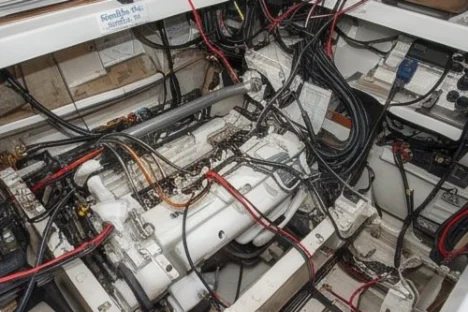
Scope first
- Start with a survey or a thorough inspection of the boat as it is. Know what you are dealing with before anyone starts cutting: wet core in the deck, tired chainplates and a weeping fuel tank change the whole plan.
- Write the scope job by job: what, where, which materials and brands, and what "finished" looks like (for example "all deck fittings rebedded with the core sealed and filled at each bolt hole", not "fix deck leaks").
- Divide it into must do (safety, structure, engine, steering, rig), should do, and nice to have. When money or time runs short you cut from the bottom, not from the middle of a job.
- Decide the order: structure and anything dirty first, systems next, cosmetics and interior last. Painting before the wiring is done means painting twice.
Who does it
- One yard doing everything is simpler to manage and gives one place to complain, but you pay its rates for every trade.
- Separate specialists (engine, , electrics, upholstery) can be better and cheaper, but someone must coordinate them, and they must agree who goes first.
- Doing parts yourself saves money only on jobs you can do well and that are not in someone else's way. Agree with the yard which jobs are yours.
- On a big refit a project manager (an experienced skipper, a surveyor or a yard's own manager) pays for himself if you cannot be there.
Quotes and contracts
- Ask at least two yards or contractors to quote the same written scope. Compare line by line, not the total.
- Labour as hours and rate, parts as a list with prices, and the yard's rule for what happens if more work is found once things are opened up.
- Agree a timetable with dates, how you will be kept informed, and what happens if they miss it.
- Pay in stages against work done: a deposit, payments at agreed stages, the last one after the . Never pay most of it up front.
- Agree who owns the old parts (you may want the old winch or the old sails).
During the work
- One person decides on your side: you, or the project manager you appoint. Trades take instructions from one voice only.
- Every change in writing with its price and its effect on the date, before the work is done. Small changes add up to the overrun.
- Visit, or have someone visit, every week. Photographs of hidden work (inside the , behind panels, before the lining goes back) are worth a lot later.
- Keep a contingency of a fifth to a third of the quote for what is found once things are opened up. Older boats need the larger figure.
- Deal with surprises the same day: a decision left for a week is a week lost.
At the end
- Sea trial everything that was touched, under load, before the last payment. A refit is finished when it works at sea, not when it looks finished at the dock.
- Make a snag list on the sea trial and agree the dates for it in writing.
- Collect the paperwork: invoices, warranties, manuals, wiring diagrams for everything changed, photos of hidden work. They are part of the boat's value when you sell.
Seasonal timing
- Northern temperate waters
- Plan and get quotes in September and October, do the work November to March, sea trial in April. A refit that starts in March finishes in the season.
- Southern temperate waters
- Plan in March and April, work May to September, sea trial in October.
- The tropics
- The storm or monsoon season is the refit season: plan in the last months of the sailing season and book the yard early, because every cruising boat in the area wants the same months.
Tips from experience
- Write the scope as if the person doing the job had never seen your boat.
- Ask each contractor what they would do differently; the good ones will tell you.
- Buy the long-lead items first (rigging, sails, engine) so they are not on the critical path.
- Keep one shared list of jobs with status, owner and date, visible to everyone.
- Take the boat's gear off before the work starts: it speeds the job and nothing gets lost or damaged.
- Budget time as well as money: add a third to the yard's timetable for the plans that depend on it.
- Be at the yard on the days that matter: start, the half-way review, the sea trial.
- Pay promptly at each stage; it keeps your boat at the front of the queue.
What it usually costs depends on
- The size and age of the boat, and what the survey finds once things are opened.
- The yard's or contractors' labour rates and the place.
- Materials and equipment chosen (brands and quality levels differ widely).
- How clearly the scope is written, and how many changes are made during the work.
- The time of year you book.
Ask for written quotes locally: prices differ a great deal between countries, harbours and seasons.
Common mistakes, and the lesson from each
- ❌ Starting without a written scope. What is not written down will be done the yard's way, and priced the yard's way.
- ❌ Changing things along the way by word of mouth. Every change in writing with its price and date effect, before the work. This alone stops most overruns.
- ❌ Paying most of the money up front. Pay in stages for work done; keep the last payment for after the sea trial.
- ❌ No contingency. Opened-up boats always find more. Keep a fifth to a third in reserve, and decide in advance what you will cut.
- ❌ Spending more than the boat will ever be worth, without meaning to. Know the boat's market value. Some refits are worth doing for the use you will get; do it knowingly.
- ❌ Doing the work in the wrong order. Structure, then systems, then finish. Cosmetics first means doing them twice.
- ❌ Several people giving instructions. One decision-maker on the owner's side. Trades work for one voice.
- ❌ Skipping the survey before planning. You cannot scope a refit on a boat you have not looked into.
- ❌ Treating the refit as finished at the dock. Sea trial under load; most problems show at sea in the first hour.
- ❌ Losing the paperwork. Invoices, warranties and diagrams are part of the boat's value. Keep them in one folder.
Go deeper
← The Skipper's Handbook · ‹ Haul-out and the boatyard · Working with tradespeople, yards and marinas ›
General guidance from experience, not instructions for your boat: follow the maker's manuals and ask a qualified professional for work you are not sure of.