Arriving by boat in Panama
 Arriving by boat in Panama
Last checked against 4 official sources · What changed
Clear in at a port of entry with the Port Captain, Immigration and Customs, and buy a cruising permit if the boat stays in Panamanian waters for more than three days. Crew arriving on their own boat pay an immigration entry fee. Boats that only transit the canal and do not stay do not need the cruising permit, according to cruiser reports.
Arrival step by step
Yes. Clear in at a port with a Port Captain and Immigration. Cruiser reports name Colón (Shelter Bay Marina arranges clearance through the Colón Port Captain), Linton Bay Marina at Puerto Lindo (Port Captain can issue the permit on the spot), Porvenir for the San Blas (Guna Yala), and Bocas del Toro. No official list of ports of entry for yachts could be read.
- Get a clearance (zarpe) from your last port.
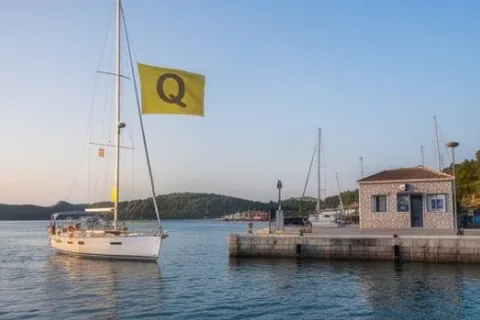
- Sail to a port of entry and fly the Q flag.
- Clear with Immigration; have proof of funds and passports valid at least 3 months.
- Pay the immigration entry fee for each person arriving on the boat.
- Clear with Customs and declare firearms, which are held in bond until departure.
- Buy the cruising permit at the Port Captain if staying more than three days.
- Declare any pet and follow the vet instructions before landing it.
- Before leaving, get an exit zarpe from the Port Captain.
Ports of entry boaters use
- Colón (Shelter Bay Marina) · Caribbean coast, canal entrance
Marina arranges clearance and the cruising permit through the Colón Port Captain (about 5-10 days) and helps with canal transits. - Linton Bay Marina, Puerto Lindo · Caribbean coast, Portobelo
Port Captain on site can issue the cruising permit; close to the canal and the San Blas. - Porvenir · Guna Yala (San Blas)
Entry point for boats arriving in the San Blas islands. - Bocas del Toro · Caribbean coast, west
Cruisers report clearing in there, including with a pet.
Papers to have on board
- Zarpe (clearance) from your last port
- Boat registration papers
- Crew list
- Passports valid at least 3 months (Migración) or 6 months (GOV.UK advice for UK citizens), with a blank page
- Proof of funds: at least B/.500 (Migración) or US$1,000 or a credit card (GOV.UK)
- Proof of onward travel or exit plan
- Yellow fever certificate if coming from a risk country
- Cruising permit once issued
- Pet vaccination and microchip records if a pet is aboard
Crew, passports and visas
Panama is not in the EU, so Schengen and EES do not apply. US travel advice (May 2025): people piloting their own boats and arriving as tourists pay a US$110 entry fee, which allows 3 months, extendable up to 2 years; US citizens may otherwise stay up to 180 days without a visa. GOV.UK (Oct 2026): people arriving on a non-cruise vessel need a visa costing US$100 plus US$5 registration per person; visitors arriving by land or air get up to 3 months. Overstay fines are B/.50 per month or part month (Migración). A 2019 cruiser report says the old mariner visa no longer exists. Keep your entry stamp.
How long the boat may stay
No temporary import time limit for foreign yachts is stated in the sources. A cruising permit is needed for yachts in Panamanian waters more than three days; cruisers report one-year validity.
Fees, taxes and permits
- Immigration entry fee for people piloting their own boat as tourists: US$110 per person (US State Department, May 2025). Fee is inconsistently enforced and can change.
- Visa for arrivals on non-cruise vessels: US$100 plus US$5 registration per passenger or crew member (GOV.UK, page updated Oct 2026).
- Cruising permit: cruiser reports range from US$185 to US$235 (US$195 cash at Linton Bay in 2016; US$200 for one year), plus agent or marina fees of about US$25-50.
- Overstay fine: B/.50 per month or part month (Migración Panamá).
- Panama Canal small vessel toll per transit from 1 Jan 2025: US$2,130 under 65 ft, US$3,200 for 65-80 ft, US$4,660 for 80-100 ft, US$6,000 over 100 ft (Panama Canal Authority).
Buoyage and navigation marks
IALA region BPanama uses region B buoyage.
Red right returning: red to starboard when coming in from sea. Preferred channel marks (a lateral mark with a band of the other colour) follow the same colours: the main colour tells you which side to leave the mark on when following the preferred channel.
The same everywhere: yellow and black cardinal marks (pass on the named side: north, east, south or west of the danger), black and red isolated danger marks, red and white safe water marks, yellow special marks, and the blue and yellow emergency wreck mark. Where a channel has no obvious direction, the chart shows the direction of buoyage with a small arrow. All marks explained. Always follow the chart and local notices: these are summaries, not a navigation source.
Anchoring, marine parks and protected areas
No source read states anchoring restrictions or marine park rules for Panama.
Fishing
No source read states fishing licence rules for visiting yachts.
Pets on board
No official pet import rules could be read. Cruiser reports: a dog with UK pet passport, vaccinations and microchip was declared at Bocas, a US$50 fee was paid and the dog was allowed ashore; a dog flown in from the USA had a 40-day quarantine, which could be done on the boat, about US$350 total.
Fuel and duty
No source read states duty-free fuel rules for yachts.
Waste and holding tanks
No source read states holding tank or waste rules.
Seasons and office hours
No source read gives seasonal or office-hours notes for clearance. For canal transits, private craft can contact the Panama Canal Authority (+507 272-4570).
Leaving the country
Get an exit zarpe from the Port Captain and have passports stamped out by Immigration. Collect any firearms held in bond. Your next country will ask for the zarpe.
Common mistakes and fines
- Staying more than three days without a cruising permit.
- Overstaying your immigration stamp: fines of B/.50 per month.
- Not carrying proof of funds or onward plans.
- Carrying firearms without declaring them; rules are strictly enforced.
- Carrying more than US$10,000 in cash without checking the declaration rules.
Where the sources disagree
These points were unclear or have changed recently. Ask the port authority or customs on arrival.
- Immigration for yacht crew: the US says US$110 entry fee and 3 months extendable; GOV.UK says a US$100 visa plus US$5 registration. Rules are reported to change without notice.
- Proof of funds: B/.500 (Migración) versus US$1,000 (GOV.UK).
- Passport validity: 3 months (Migración, US State Department) versus 6 months after departure (GOV.UK for UK citizens).
- Cruising permit cost is only known from cruiser reports (US$185-235) and no official AMP tariff page could be read.
- Pet rules: one cruiser paid US$50 and landed a dog at Bocas; another reported a 40-day quarantine for a dog flown in from the USA.
Questions boaters ask
Do I need a cruising permit just to transit the canal?
Cruiser reports say no, if you do not stay in Panama before or after the transit.
How much does the cruising permit cost?
Cruisers report US$185 to US$235, usually valid one year, plus agent fees of about US$25-50.
How much does the canal transit cost for a yacht?
From 1 January 2025 the toll is US$2,130 per transit for boats under 65 ft, rising to US$6,000 over 100 ft. Other charges may apply.
How long can I stay?
US advice: the US$110 boat arrival entry fee gives 3 months, extendable up to 2 years. Overstays are fined B/.50 per month.
What happens to my firearms?
They are declared on arrival and held in bond until you leave.
Where can I clear in on the Caribbean side?
Cruisers use Colón (Shelter Bay), Linton Bay at Puerto Lindo, Porvenir in the San Blas and Bocas del Toro.
Official sources
The authority pages this guide rests on, with the date each was last opened and read.
- US State Department: Panama international travel information
US Department of State · checked 25 Oct 2026 - GOV.UK: Panama entry requirements
GOV.UK · checked 25 Oct 2026 - Servicio Nacional de Migración: Preguntas frecuentes
National Migration Service, Panama · checked 25 Oct 2026 - Small vessel tolls, item 1010, effective 1 January 2025
Panama Canal Authority · checked 31 Oct 2026
Cruising guides and sailor reports
Used for practical detail and recent experience; where they disagree with an official page, the official page wins and the point is listed under "Where the sources disagree".
What changed
- : Rechecked the canal small vessel tolls with the Panama Canal Authority (US$2,130 under 65 ft up to US$6,000 over 100 ft): no change. The cruising permit has no official page we could open, so the guide is not marked as rechecked.
This guide is general information for private, non-commercial yachts and is not legal advice. Rules and fees change; confirm with the port authority, customs or your agent before arrival. Seen something out of date? Tell us.
Other countries
Albania · Antigua and Barbuda · Australia · Bahamas · Barbados · Belgium · Belize · Bermuda · Brazil · British Virgin Islands · Bulgaria · Canada · Cape Verde (Cabo Verde) · Colombia · Cook Islands · Costa Rica · Croatia · Denmark · Dominica · Dominican Republic · Ecuador · Egypt · Estonia · Fiji · Finland · France · French Polynesia · Georgia · Germany · Gibraltar · Greece · Grenada · Guadeloupe · India · Indonesia · Ireland · Israel · Italy · Japan · Madagascar · Malaysia · Maldives · Malta · Martinique · Mauritius · Mexico · Montenegro · Morocco · Netherlands · New Caledonia · New Zealand · Norway · Oman · Papua New Guinea · Philippines · Poland · Portugal · Réunion · Saint Helena · Saint Lucia